Seed Phrase Security: Rules Every Crypto User Should Follow
A seed phrase may look like a simple list of words.
In reality, it can be one of the most important pieces of information connected to a self-custody crypto wallet.
If someone gets your seed phrase, they may be able to restore your wallet on another device and control the accounts created from it. They do not need your phone, your browser extension, or the password you normally use to open the wallet.
That is why protecting a seed phrase is not the same as protecting an ordinary website password.
A forgotten website password can usually be reset. A compromised seed phrase cannot simply be changed while keeping the same wallet secure.
Understanding a few basic rules can prevent some of the most damaging mistakes crypto users make.



What Is a Seed Phrase?
A seed phrase, also called a recovery phrase or Secret Recovery Phrase by some wallets, is a sequence of words generated when certain self-custody wallets are created.
Many wallets use phrases containing 12 or 24 words, although the exact format depends on the wallet and recovery system being used.
The words must normally be kept in the correct order.
The easiest way to understand their importance is to think of the phrase as the recovery information from which your wallet can recreate access to its accounts.
MetaMask, for example, explains that accounts created from its Secret Recovery Phrase are mathematically derived from that phrase. Anyone who obtains it can potentially gain control of the accounts associated with it.
Your wallet password serves a different purpose.
A password may protect the wallet application on your particular computer or phone. The seed phrase can be used to restore the wallet elsewhere.
This difference is important.
A scammer who gets your seed phrase does not necessarily need to know the password you use to unlock the wallet on your device.
Rule 1: Never Share Your Seed Phrase With Anyone
This is the most important rule.
Do not give your seed phrase to:
- someone claiming to work for wallet support
- an exchange employee
- a Telegram or Discord administrator
- a social media account offering technical help
- an investment manager
- a person promising to recover lost cryptocurrency
- a website asking you to "verify" or "synchronize" your wallet
Legitimate wallet support should not need your seed phrase to help diagnose an ordinary problem.
If someone asks for the words, treat the request as a major warning sign.
Anyone who has your seed phrase may be able to control your wallet. Treat the phrase itself as access to the funds.
It does not matter how professional the person sounds.
Scammers can copy company logos, create fake support accounts, impersonate employees, and build websites that look almost identical to legitimate wallet services.
Rule 2: Do Not Enter It Into Random Websites
One of the most common seed phrase scams begins with a website.
You may be told that your wallet has an error, needs an upgrade, must be synchronized with the blockchain, or needs verification before you can receive an airdrop.
The website then displays twelve or twenty-four boxes and asks you to enter your recovery words.
Stop there.
A normal decentralized application does not need your seed phrase just because you want to connect your wallet.
Connecting a wallet, signing a transaction, and restoring a wallet are different actions.
There are legitimate situations where you may need to enter a recovery phrase, such as restoring your wallet inside the genuine wallet application on a new device.
That makes verification especially important.
Before restoring a wallet, make sure you are using the official wallet software and that you obtained it through the project's legitimate website or recognized app store.
Never enter your phrase into a website simply because a popup, email, direct message, or supposed support representative tells you to.
Rule 3: Avoid Keeping an Unprotected Digital Copy
Taking a screenshot of a seed phrase may seem convenient.
So may storing it in an email draft, cloud document, note-taking application, or ordinary text file.
The problem is that digital copies can create additional ways for the phrase to be exposed.
If your email account, cloud storage, phone, computer, or backup service is compromised, an attacker may find the phrase without ever coming near you physically.
For a traditional seed phrase backup, an offline copy avoids many of the risks associated with an internet-connected file.
Some wallets use different recovery or encrypted backup systems, so understand how your particular wallet works before changing its recommended backup method.
Rule 4: Make Sure Your Backup Is Accurate
Protecting a seed phrase is only useful if the backup actually works.
The words must be recorded accurately and, for wallets using a traditional recovery phrase, usually in the exact order in which they were generated.
A single incorrect word can prevent successful restoration.
When creating your backup, check:
- that every word is written correctly
- that no word is missing
- that the words are in the correct order
- that your writing is readable
- that the backup will not easily be damaged
Do this while creating the wallet rather than assuming you will remember to fix the backup later.
Some wallets offer a built-in process for confirming your recovery phrase during setup. Use the wallet's official verification process rather than typing the phrase into an unrelated website.

Rule 5: Protect the Backup From Physical Damage
Keeping a seed phrase offline reduces certain digital risks, but it creates another problem: physical damage.
Paper can burn.
Ink can fade.
Water can destroy writing.
A backup can also be accidentally thrown away during a move or discovered by someone who does not understand what it is.
Think about the environment where you keep your recovery information.
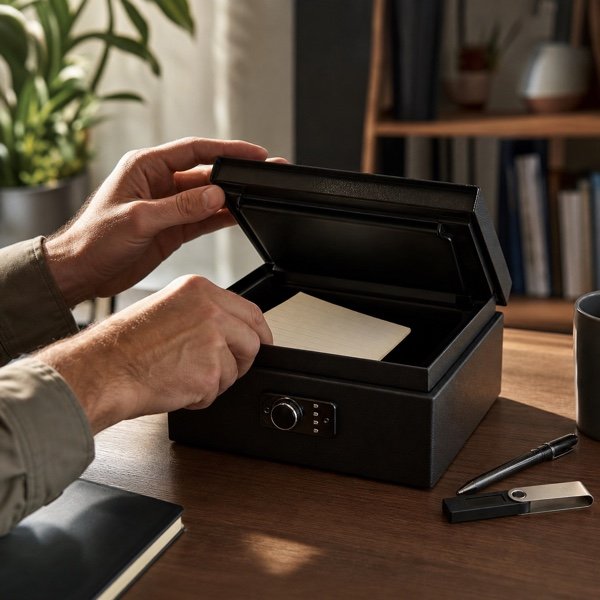
Some users write their phrase on paper and store it securely. Others use backup products designed to record recovery words on more durable materials.
The important part is not buying an expensive accessory.
The goal is to protect the phrase from both unauthorized access and realistic physical threats.
Do not place it somewhere so convenient that anyone entering your home can find it, but do not hide it so creatively that you forget where it is either.
Rule 6: Understand That Your Wallet Company May Not Be Able to Recover It
This is one of the biggest differences between a self-custody wallet and a traditional online account.
With a bank, email provider, or social media website, a company usually controls the account system and can provide some form of password recovery.
Traditional self-custody wallets work differently.
You control the information needed to access the wallet.
That gives you more control, but it also places more responsibility on you.
Wallet recovery systems are evolving, and some products now offer optional account-based or encrypted recovery methods.
That is why you should understand the recovery system used by your specific wallet rather than assuming every wallet works identically.
For a wallet relying entirely on a traditional seed phrase, losing both access to the wallet and the recovery phrase can mean permanently losing access to the assets.
Rule 7: Do Not Confuse Your Seed Phrase With Your Wallet Password
A seed phrase, private key, wallet password, and wallet address are not the same thing.
A wallet address is public information you can normally share when someone needs to send you cryptocurrency.
A password often protects the wallet application on a particular device.
A private key is secret information that can authorize transactions from a particular blockchain account.
A seed phrase can be used by many wallet systems to derive multiple private keys and restore the accounts associated with the wallet.
The seed phrase therefore deserves a particularly high level of protection.
Changing your wallet application's password does not make a stolen seed phrase safe.
Someone who already has the recovery phrase may still be able to restore the wallet elsewhere.
Rule 8: Be Extra Careful When Setting Up a Hardware Wallet
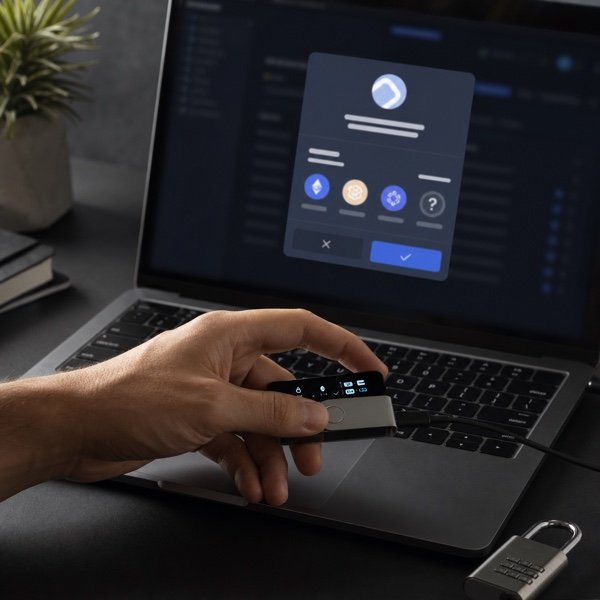
A hardware wallet is a physical device designed to keep important wallet secrets isolated from ordinary internet-connected devices.
Hardware wallets are commonly used for assets that people plan to hold for longer periods.
But the device is only part of the security model.
The recovery phrase still matters.
If a scammer obtains the phrase associated with a hardware wallet, the physical device itself may no longer protect the funds from that attacker.
When setting up a new hardware wallet, follow the manufacturer's official instructions carefully.
Be suspicious if a device arrives with a recovery phrase already printed inside the package or someone provides you with words you are instructed to use.
A fresh wallet should generate its recovery information through its intended setup process.
What If Someone Has Seen Your Seed Phrase?
Treat a seed phrase that has been exposed to an untrusted person or website as compromised.
Simply changing the wallet password is not enough.
The safer approach is generally to create a completely new wallet with a fresh recovery phrase and move assets away from accounts controlled by the compromised phrase.
Do not reuse the exposed phrase for the replacement wallet.
If you entered your seed phrase into a phishing site, assume an attacker may already have copied it even if nothing has disappeared from the wallet yet.
Attackers do not always move funds immediately.
If you still control the assets, act carefully and use a trusted device and official wallet software when creating the replacement wallet.
Also remember that moving cryptocurrency requires transaction fees on many blockchain networks. Plan the migration carefully rather than repeatedly sending assets back into an address associated with the compromised phrase.
Watch for Seed Phrase Scams
Scammers use many different stories to obtain recovery phrases.
The wording changes, but the objective is the same.
You may receive messages claiming:
- your wallet must be validated
- your account has been suspended
- you need to synchronize your wallet
- you have qualified for an airdrop
- your transaction is stuck
- support needs to repair your wallet
- you must verify ownership before withdrawing funds
None of these claims should persuade you to hand your recovery phrase to another person.
Scammers may also approach people who have publicly asked for wallet help.
If you post about a technical problem on social media, Telegram, Discord, or a forum, fake support accounts may contact you almost immediately.
Use official support channels and remain suspicious of unsolicited direct messages.
Your Seed Phrase Should Be Boring
Good seed phrase security is not complicated or exciting.
Create an accurate backup. Keep it somewhere secure. Protect it from physical damage. Do not casually photograph it, upload it, or send it to another person.
Most importantly, understand what the words represent.
They are not a customer number.
They are not a verification code that support needs to check.
They can represent the information required to regain control of your wallet.
Once you understand that, many seed phrase scams become easier to recognize.
If somebody needs your recovery phrase in order to "help" you, stop before giving them anything.