Hot Wallet vs Cold Wallet: Which One Should You Use?
Choosing a crypto wallet is not only about finding somewhere to store Bitcoin, Ethereum, or other digital assets.
The type of wallet you use affects how easily you can access your crypto and how exposed your private keys are to online threats.
Two terms you will often hear are hot wallet and cold wallet.
The basic difference is simple. A hot wallet operates on an internet-connected device, while cold storage keeps the sensitive information controlling your crypto away from normal online exposure.
That does not automatically mean everyone should stop using hot wallets.
Hot and cold wallets are useful for different reasons. The better choice depends on what you are doing with your cryptocurrency and how much security you need.



What Is a Hot Wallet?
A hot wallet is a cryptocurrency wallet that operates on a device connected to the internet.
This includes many mobile wallets, desktop wallets, and browser-extension wallets.
MetaMask is a familiar example of a software wallet that can be used through a browser extension or mobile application.
Hot wallets are popular because they make cryptocurrency easy to use.
You can open the wallet, connect to a decentralized application, send tokens, swap assets, sign transactions, or interact with DeFi services without needing a separate physical device.
That convenience comes with a trade-off.
The private keys or recovery information associated with a software wallet exist in an environment connected to the internet. This creates more opportunities for malware, phishing, malicious browser extensions, compromised devices, and other online attacks to become a problem.
Ledger describes hot wallets as software wallets that store private keys on internet-connected devices, making them convenient but more exposed to online threats.
What Is a Cold Wallet?
A cold wallet is designed to keep the private keys controlling cryptocurrency away from ordinary internet-connected environments.
The goal is to reduce the number of ways an attacker can remotely reach those keys.
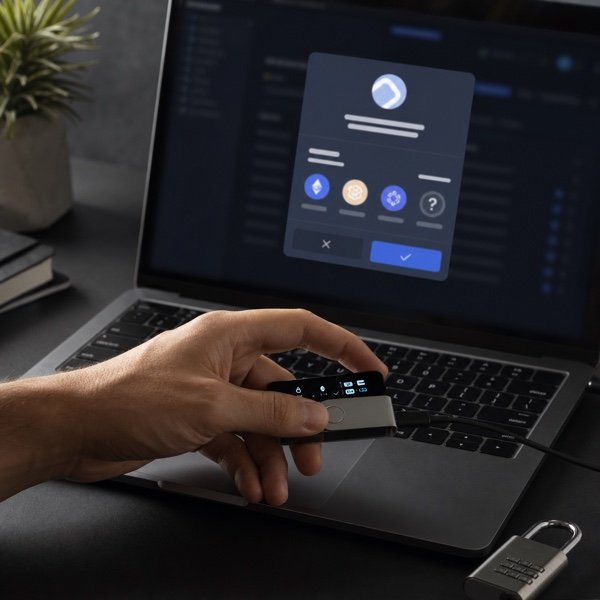
Hardware wallets are commonly used for cold storage.
A hardware wallet is a physical device designed to generate and protect private keys separately from your normal computer or phone.
However, hardware wallet and cold wallet do not always mean exactly the same thing.
A hardware wallet can be used to interact with decentralized applications and smart contracts. Once you start using an account regularly for those interactions, it may face risks that a storage-only cold account avoids.
For beginners, the important idea is straightforward:
Cold storage is intended to keep valuable crypto away from unnecessary online exposure.
Hot Wallets Are More Convenient
Convenience is where hot wallets usually have the advantage.
Suppose you regularly use a decentralized exchange.
With a browser-based wallet, you can visit the exchange, connect your wallet, approve the necessary transaction, and complete a swap within minutes.
The same convenience applies when using NFT marketplaces, blockchain games, staking applications, and many Web3 services.
Hot wallets are also often free to download.
This makes them attractive to beginners who want to experiment with cryptocurrency without immediately buying additional hardware.
For small amounts used regularly, a carefully secured hot wallet can be practical.
The problem begins when convenience encourages people to keep everything in the same wallet.
A wallet used constantly across websites, smart contracts, browser extensions, and unfamiliar applications has a larger attack surface than a wallet that rarely interacts with anything.
Cold Wallets Reduce Online Exposure
Cold storage is designed for the opposite purpose.
Instead of making frequent Web3 interactions as convenient as possible, the goal is to keep private keys isolated.
If the keys are generated and stored securely offline, malware running on your ordinary computer cannot simply read them from a software wallet file.
Hardware wallets also typically require transactions to be confirmed using the physical device.
This adds another barrier between an attacker and your assets.
MetaMask recommends hardware wallets for long-term crypto-asset storage and advises users to generate a new seed phrase directly on the hardware wallet rather than importing a phrase that was previously created in an online software wallet.
The reasoning is important.
If a seed phrase was originally generated or stored on an internet-connected device, moving that same phrase into a hardware wallet does not erase the possibility that it was already exposed.

Which Is Actually Safer?
For protecting larger amounts of cryptocurrency over a long period, cold storage generally provides stronger protection against remote attacks.
But saying that a cold wallet is "safe" without qualification would be misleading.
You can still lose funds through mistakes.
For example, you could:
- give away your seed phrase
- lose your recovery backup
- send cryptocurrency to the wrong address
- approve a malicious transaction
- buy a tampered device from an untrusted seller
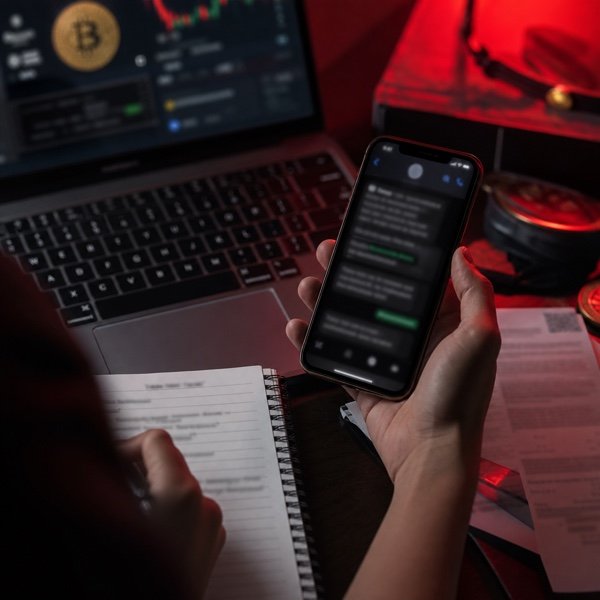
- fall for fake wallet software or support scams
A hardware wallet cannot protect you if you voluntarily give an attacker the recovery phrase.
It also cannot automatically understand your intentions.
If you authorize a malicious transaction, the device may correctly sign exactly what you told it to sign.
Security therefore depends on both the wallet technology and how you use it.
Hot Wallet vs Cold Wallet: The Main Differences
| Feature | Hot Wallet | Cold Wallet |
|---|---|---|
| Internet exposure | Operates on an internet-connected device | Designed to keep private keys offline |
| Convenience | Very convenient for regular use | Less convenient for frequent transactions |
| Best use | Spending, swapping, dApps, smaller active balances | Long-term storage and larger holdings |
| Online attack exposure | Higher | Lower when used correctly |
| Typical cost | Often free software | May require purchasing a hardware device |
| Web3 access | Usually simple and direct | Possible with some hardware wallets, but increases interaction risk |
A Hot Wallet Can Still Be Useful
Security discussions sometimes make hot wallets sound like something nobody should use.
That is not realistic.
Hot wallets are useful precisely because they make blockchain applications practical.
Think about how people use ordinary money.
You probably would not carry all your savings in your pocket every day.
But you may still carry enough money for normal expenses.
A similar idea can work with cryptocurrency.
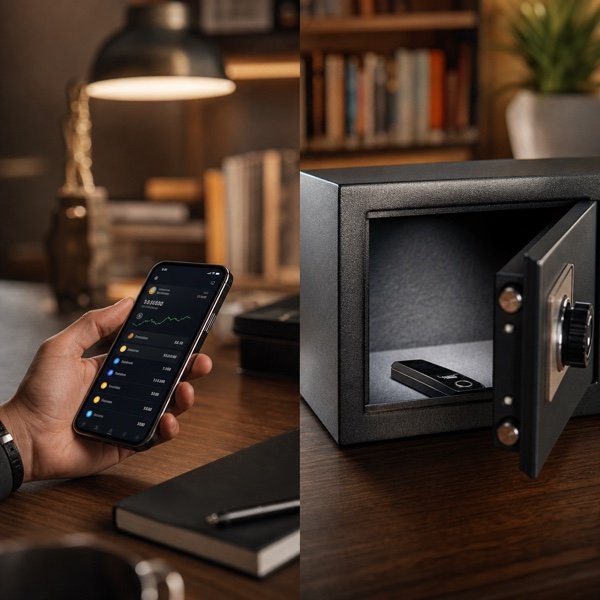
You might keep a smaller amount in a hot wallet for regular transactions and keep assets you do not need frequently in a more isolated wallet.
This does not eliminate risk, but it limits how much cryptocurrency is exposed when using dApps or experimenting with new services.
Consider Separating Storage From Web3 Activity
One of the strongest habits you can develop is separating your long-term holdings from the wallet you use for everyday blockchain activity.
For example, imagine you own 2 ETH.
You plan to keep 1.8 ETH for the long term but occasionally use the remaining 0.2 ETH for DeFi applications, NFT transactions, and token swaps.
You do not necessarily need all 2 ETH inside the wallet you connect to websites.
You could keep the long-term portion in a separate storage wallet and maintain a smaller balance in your active wallet.
If the active wallet later interacts with a malicious application, the amount directly exposed to that mistake may be smaller.
This approach is not limited to having one hardware wallet and one software wallet.
Some hardware wallets support multiple separate accounts, allowing users to designate one account for storage and another for active Web3 interaction.
What About Exchange Wallets?
There is another category beginners often confuse with hot wallets: cryptocurrency held on an exchange.
When you leave cryptocurrency inside a centralized exchange account, you usually do not directly control the private keys for the blockchain addresses holding those assets.
The exchange manages custody on your behalf.
This is different from using your own self-custody hot wallet.
With a self-custody wallet, you control the keys or recovery information.
With a custodial exchange account, you depend on the company to secure the assets and process withdrawals.
That introduces different risks, including exchange hacks, frozen withdrawals, account restrictions, and company failure.
Do not assume that cryptocurrency is automatically in cold storage simply because you are not actively using it.
What matters is who controls the private keys and how those keys are secured.
Cold Storage Still Requires a Seed Phrase Backup
Buying a hardware wallet does not remove the need to protect your recovery information.
In many setups, the device creates a seed phrase when you initialize it.
That phrase may allow you to restore access to the wallet if the hardware device is lost, damaged, or replaced.
The phrase therefore becomes one of the most sensitive pieces of information you own.
Do not photograph it casually.
Do not email it to yourself.
Do not enter it into a website claiming to "verify" your hardware wallet.
And do not give it to someone claiming to work for customer support.
A cold wallet can keep private keys away from online attackers, but exposing the seed phrase can defeat that protection.
When Does a Hot Wallet Make Sense?
A hot wallet can make sense when you regularly need to access cryptocurrency.
Examples include:
- making frequent crypto payments
- using decentralized exchanges
- interacting with DeFi protocols
- using blockchain games
- minting or trading NFTs
- testing new Web3 applications with limited funds
The amount kept there should reflect the risk you are comfortable taking.
Keeping a modest active balance is different from storing your entire long-term portfolio in a browser extension that connects to unfamiliar websites every week.
When Does Cold Storage Make Sense?
Cold storage becomes more attractive when the assets are valuable enough that convenience is less important than reducing exposure.
It can be particularly useful for cryptocurrency you plan to hold for months or years without frequently moving it.
It may also make sense when losing the amount stored would cause serious financial harm.
There is no universal amount at which someone must buy a hardware wallet.
A $500 balance may be minor to one person and extremely important to another.
Think about the value to you rather than copying someone else's threshold.
Do Not Turn Your Cold Wallet Into Your Everyday Wallet
There is little benefit in creating an isolated storage wallet and then connecting it to every new dApp you want to try.
Every smart contract interaction creates another opportunity to approve something incorrectly.
If you want the wallet to function as a secure vault, treat it like one.
Use another account or wallet for experimentation.
Transfer only what you need for the activity you are performing.
This separation can also make suspicious wallet prompts easier to recognize.
If your long-term storage wallet unexpectedly asks you to approve a token contract or sign an unfamiliar Web3 transaction, the request should immediately stand out.
Which Wallet Should a Beginner Choose?
Beginners do not necessarily need to choose one wallet type forever.
A hot wallet can be a practical way to learn how blockchain transactions, wallet addresses, gas fees, and decentralized applications work.
As the value of your holdings grows, separating long-term storage from everyday activity becomes increasingly useful.
For many users, the answer is therefore not hot wallet or cold wallet.
It is using both for different purposes.
Keep the amount you regularly need accessible.
Keep assets you rarely touch away from unnecessary online interactions.
Convenience and Security Serve Different Jobs
Hot wallets and cold wallets solve different problems.
A hot wallet prioritizes accessibility. It makes sending cryptocurrency and interacting with Web3 applications fast and convenient.
Cold storage prioritizes isolation. It reduces the exposure of private keys to internet-connected devices and online attacks.
For long-term holdings, cold storage generally provides stronger protection when it is set up and used correctly.
For regular blockchain activity, a hot wallet may be far more practical.
The safest approach is often to avoid making one wallet responsible for everything.
Separate the crypto you want to protect from the crypto you regularly put to work.