

Cryptocurrency gives people direct control over digital assets, but that control comes with responsibility. Understanding wallets, transaction records, exchange procedures, and common fraud patterns is essential before moving funds.
Always verify information through official sources. Save wallet addresses, transaction hashes, screenshots, emails, and payment receipts whenever a transfer or platform interaction may need to be reviewed later.
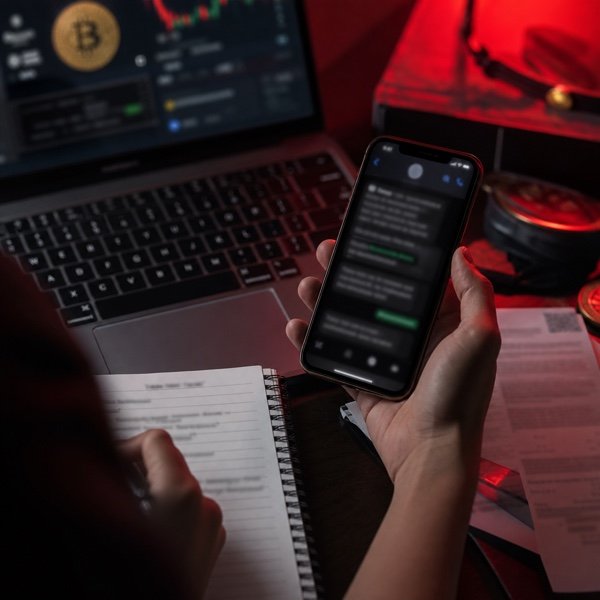

Public blockchains preserve transaction history, but a visible wallet address does not automatically reveal the person controlling it. Good analysis combines on-chain data with account records, communications, and verified platform information.
Understand the Risk Before You Act
Promises of guaranteed returns, urgent deposits, secret trading systems, remote-access requests, and fees to unlock withdrawals are major warning signs. Legitimate services never need your seed phrase or private key.
No investment return is guaranteed. Pause, verify, and protect your credentials before sending cryptocurrency or connecting a wallet.
If funds have already moved, do not send more money to anyone promising a guaranteed recovery. Document the timeline, contact the relevant exchange through its official support channel, and consider reporting suspected fraud promptly.
Build Better Crypto Habits

Use unique passwords, enable app-based two-factor authentication, test unfamiliar addresses with a small transaction, and keep long-term holdings separated from wallets used for daily activity.
Crypto decisions should be based on evidence, transparent risk, and independent research—not pressure, fear of missing out, or unsolicited messages.
Review permissions regularly and revoke wallet approvals you no longer need. Keep software updated and type important addresses yourself instead of following links in unexpected messages.
This publication provides educational information, not personalized financial or legal advice. Consider qualified professional guidance when a decision involves substantial risk or suspected crime.